Explore how real-time, emotionally intelligent voice AI is transforming customer experiences across BFSI, healthcare, and more.

Parul Chouhan
Chief of Staff
Introduction
Voice AI has had a long journey, coming from a robotic, monotone response to real-time, human-like interactions. OpenAI’s latest next-gen audio models mark a game-changing shift in how AI understands and responds to speech.
With real-time speech processing, enhanced emotional intelligence, contextual understanding, and multilingual capabilities, these AI voice models would make us look at outbounds and inbounds through a new lens across industries, from customer service and BFSI to healthcare and e-commerce.
But how exactly does OpenAI’s new voice AI stack up? And what real-world impact can businesses expect?
Let’s dive into the evolution of voice AI, its use cases, and why you should care.
The Evolution of Voice AI: From Static IVRs to Real-Time Conversations
The Early Days: Pre defined Rule-Based IVR Systems
Traditional Interactive Voice Response (IVR) systems relied on predefined scripts and limited voice recognition, often creating a sub par experience for users and customers.
No real-time adaptability, making conversations feel robotic. Because, they were!
Then came the the Rise of NLP-Powered Voice AI
AI-powered virtual assistants like Siri, Alexa, and Google Assistant started using Natural Language Processing (NLP) for basic contextual understanding.
However, latency, emotional flatness, and limited real-time processing remained bottlenecks. Which led to limited applications for such use cases. Turn on the lights or play this song, you know the drill
Now, OpenAI’s Next-Gen Audio Models: The Real Game-Changer
Real-time speech processing removes lag, making conversations seamless.
Emotional intelligence integration allows AI to adjust tone based on user sentiment.
Multilingual fluency expands accessibility for global businesses.
These advancements don’t just improve AI voices—they redefine the entire user experience across multiple industries.
Key Features of OpenAI’s New Audio Models
Instant Speech Recognition – AI understands and responds in real-time, with almost zero lag.
Emotionally Adaptive AI – AI adjusts its tone based on customer sentiment (e.g., empathetic for complaints, excited for sales).
Multilingual & Accent Adaptation – Supports global languages and accents, reducing errors in voice-based customer interactions, increasing the potential user base of an enterprise. That too with almost no human intervention, making it instantly scalable
Advanced Text-to-Speech (TTS) – AI-generated voices sound natural, eliminating robotic speech patterns.
Enhanced Customization – Businesses can train AI voices to match brand identity and customer preferences.
These breakthroughs make AI-driven voice interactions feel as natural as human conversations.
How Intelekt Voice AI is Reshaping Industries
BFSI: Smarter Banking with AI-Powered Voicebots
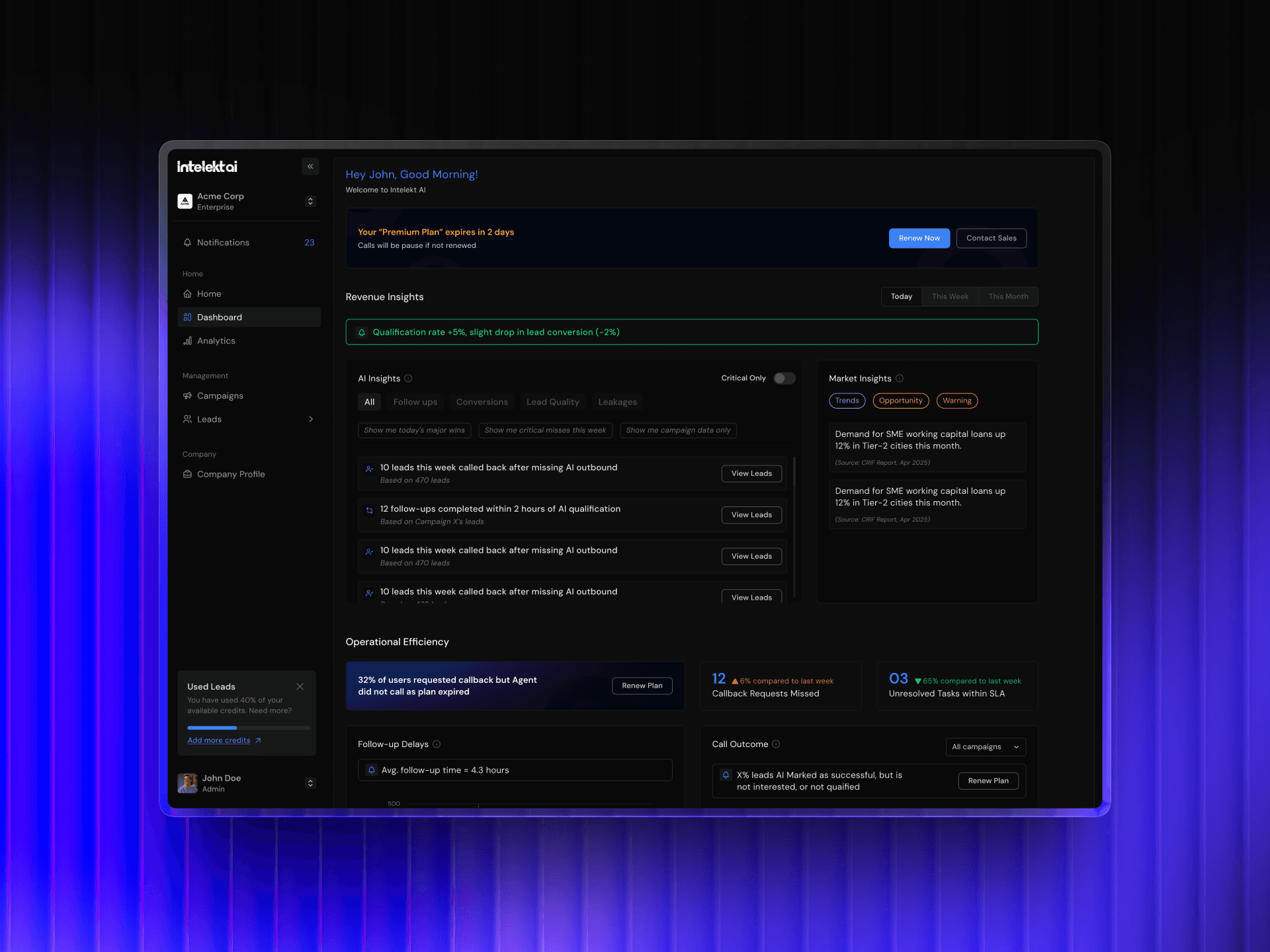
AI voice agents like Intelekt AI, automate loan applications, verify KYC, and assist in debt collection. 2. Banks using AI-powered fraud detection reduce unauthorized transactions by 50%. 3. Real-time AI assistants cut customer support call resolution time by 40%.
Customer Support
AI voice assistants resolve queries instantly, reducing customer frustration. - Predictive AI understands customer intent before they even finish speaking. But don’t worry, Intelekt AI doesn’t interrupt. - Personalized support based on past interactions leads to higher CSAT scores.
Healthcare: AI Voice for Patient Assistance & Accessibility
AI-powered voicebots can help patients book appointments, refill prescriptions, and get medical advice. 2. 24/7 multilingual voice support improves accessibility for non-English speakers. 3. AI detects stress and urgency in a patient’s voice, escalating critical cases automatically.
Why Businesses Should Care About OpenAI’s Voice AI Models
Competitive Advantage – Businesses adopting AI voice models improve efficiency and customer experience.
Cost Reduction – AI-driven voice automation reduces support center costs by 50%.
Scalability – AI voice assistants can handle millions of interactions daily, unlike human agents.
Hyper-Personalization – AI adapts to user preferences, offering tailored responses.
Security & Compliance – Voice authentication enhances fraud detection & identity verification.
With voice AI adoption surging across industries, companies that fail to integrate AI-driven voice solutions risk falling behind.
What’s Next for Intelekt Voice AI?
Context-Aware Conversations – AI that remembers previous interactions for seamless user experience.
Cross-Channel Integration – AI voicebots that switch between voice, chat, and email without losing context.
Emotion Recognition at Scale – AI that detects anger, confusion, or urgency and responds accordingly.
Conclusion: The Future is AI-Driven Conversations
OpenAI’s next-gen audio models aren’t just another AI upgrade—they are a paradigm shift in how businesses communicate with their customers and most importantly, potential customers.
Real-time, intelligent voice AI is here.
Businesses that leverage it will lead in customer engagement, efficiency, and innovation.
Are you ready to integrate Voice AI into your business?
Explore how AI-powered voice solutions can transform your industry.
Schedule a demo With intelekt Voice AI here: Book a Demo
Related Posts