How Artificial Intelligence and Human Expertise Are Shaping the Future of BFSI and Beyond.

Parul Chouhan
Chief of Staff
Introduction: The Shift from Automation to Collaboration
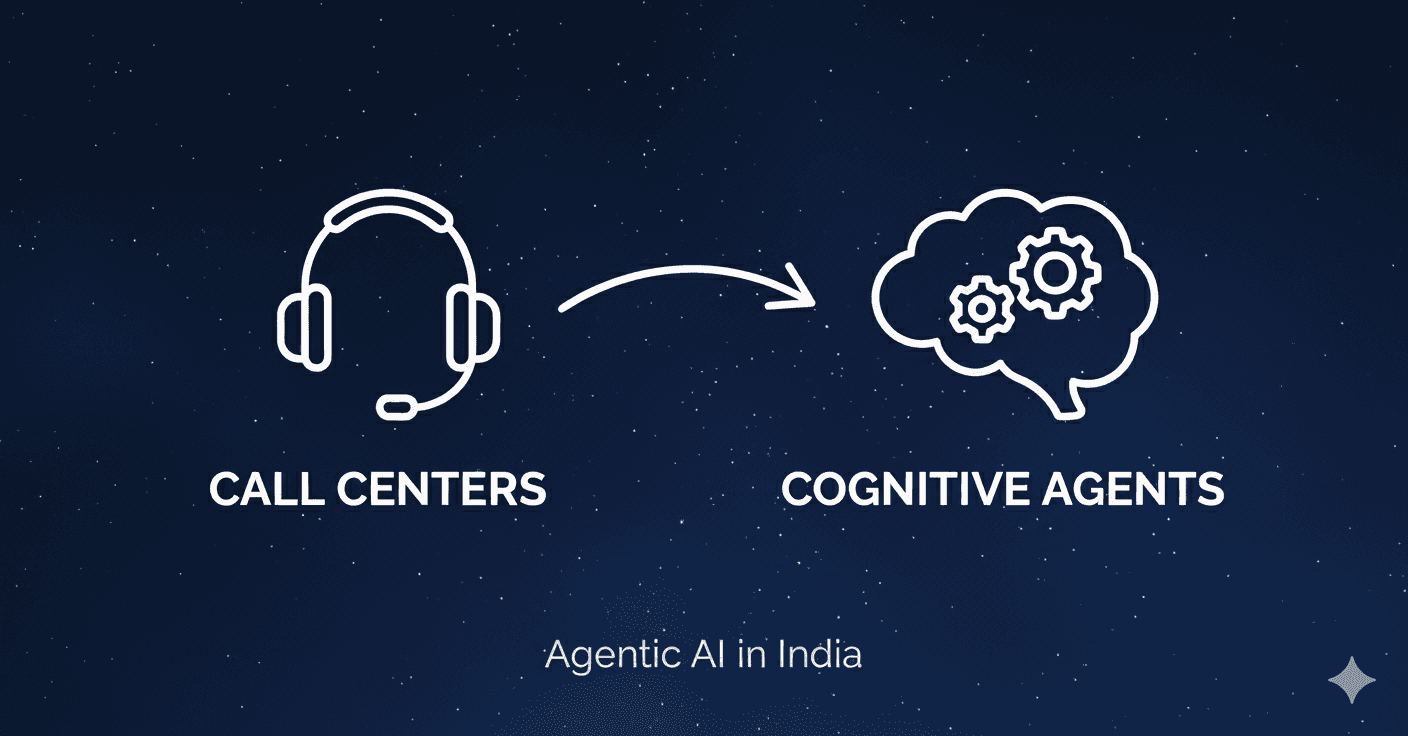
As soon as we hear the term AI or Artificial Intelligence, the first word that comes to our mind is replacement. After understanding its applications and use case better, now AI has become synonymous with automation—replacing repetitive tasks, brainstorming, scaling, and improving overall efficiency. But alas, now we’re entering a new era: Human-AI collaboration, where AI doesn’t just automate but augments and enhances human decision-making.
Why does this matter now? Because AI isn’t here to replace people—it’s here to enhance human capabilities, making industries like banking, finance, and customer service more intelligent, proactive, scalable and less prone to errors.
According to a McKinsey report, businesses that leverage AI-assisted decision-making are seeing a 40% increase in efficiency and a 30% reduction in operational costs.
But why this shift is happening, how AI is evolving from automation to collaboration, and what it means for businesses worldwide. It would be interesting to explore this step by step to track the journey of AI and its tools.
Phase 1: Automation – The First Step in AI Evolution
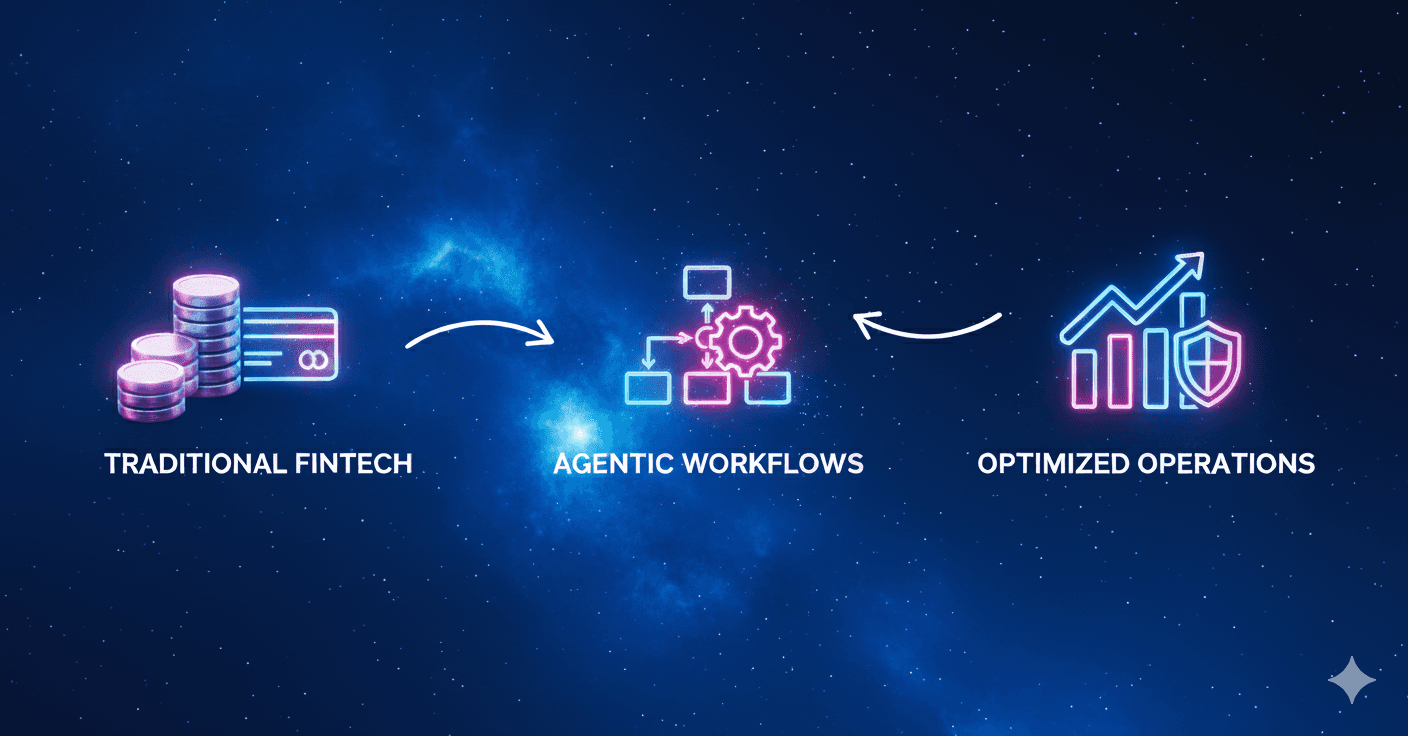
Automation has been the foundation stone of AI adoption in industries like BFSI, healthcare, and e-commerce.
Drawback of the Phase 1 of AI Automation? Automation works well for structured, rule-based tasks, but struggles with context, intent, and decision-making.
For example: A chatbot can handle basic customer queries, but the moment a query requires context, intent, empathy, or decision-making, it lags—leading to customer churn and higher drop-offs.
This is why we advanced to Phase 2
Phase 2: The Rise of AI-Augmented Decision-Making
As AI models become more advanced with NLP (Natural Language Processing) and contextual learning, we’re seeing a transition from rigid automation to adaptive and ever-learning collaboration.
This is when AI-powered voice agents can now hold conversations, understand context, and assist in real-time decision-making+ whatever is included in Phase 1. That means perfect follow-ups, multi-channel communication with customers including mails and WhatsApp messages.
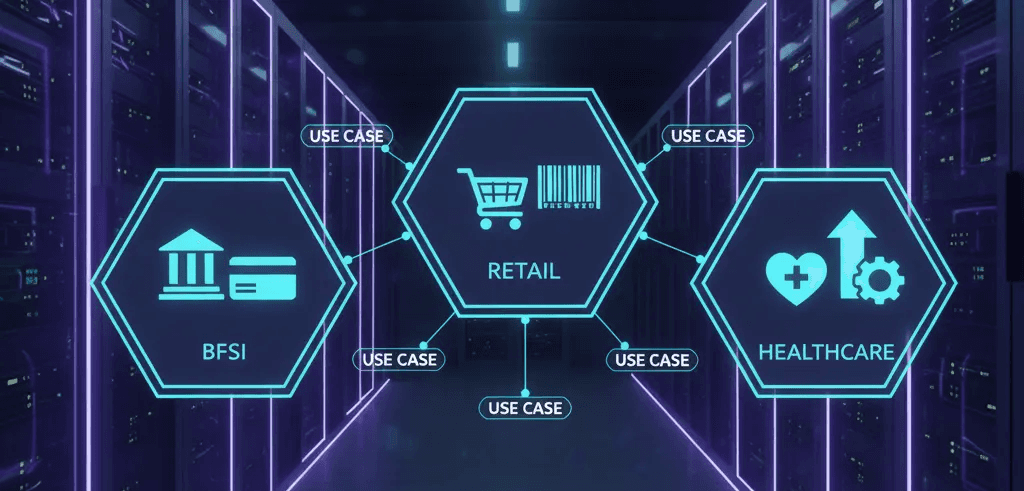
Now BFSI companies are using AI to detect fraud, qualify leads, and assist in loan processing—without replacing human judgment. 3. AI acts as a co-pilot, supporting professionals rather than replacing them.
Few of the real Examples are:
AI in Lending – Instead of just collecting data, AI voice agents now engage customers, validate loan eligibility, and assist in approvals—reducing turnaround time by 40%.
AI in Customer Support – AI doesn’t replace human agents, but helps them by handling FAQs, freeing up time for complex cases.
According to Deloitte, businesses that integrate AI-human collaboration see a 3x improvement in customer experience and operational efficiency, prompting us to the next and futuristic phase of AI
Phase 3: Human-AI Collaboration – The Future of AI
Now the obvious step of this would be Human-AI collaboration at scale—where AI doesn’t just respond but adapts, learns, and co-creates solutions with humans.
AI as an Advisor: AI systems providing data-driven insights and even predictive analytics to financial analysts, rather than replacing them. So not replacement, collaborative.
AI in Voice AI: AI-powered assistants that don’t just answer but understand customer intent, emotion, and sentiment.
Predictive AI for Decision-Making: AI anticipating user needs before they arise—like suggesting financial plans based on transaction history.
For Example:
AI in Banking & Fraud Detection – AI doesn’t just flag suspicious transactions—it predicts fraud risks, suggests preventive actions, and alerts human teams proactively.
AI in Compliance & Risk – AI can help auditors analyze massive datasets, detect red flags from data which would have taken human manpower alone longer, and suggest regulatory actions—assisting rather than replacing experts.
As per a report by Gartner predicts that by 2027, 50% of enterprise AI models will be “human-in-the-loop” AI systems—where AI makes recommendations but humans make the final call.
Key Benefits of Human-AI Collaboration
Much Better Decision-Making – AI processes large datasets, humans provide intuition and strategy.
Higher Productivity – AI automates redundant tasks, allowing humans to focus on complex problem-solving. Or even identifying problems we didn’t even know we existed.
Scalability – AI enables businesses to scale operations without adding excessive costs.
Improved Customer Experience – AI provides instant support, while humans handle high-touch interactions.
How Intelekt AI is Leading This Shift
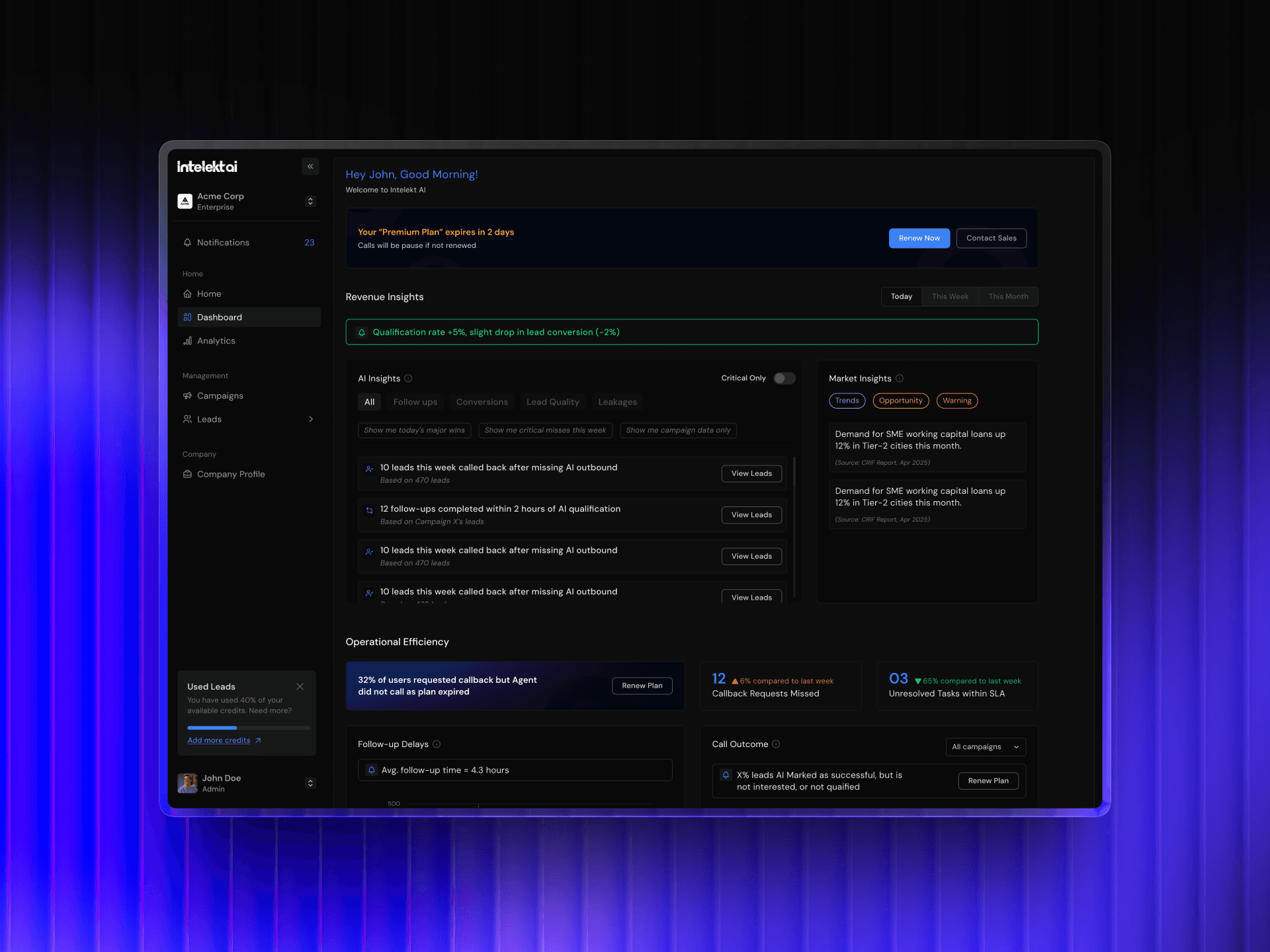
At Intelekt AI, we are building next-gen AI voice agents that go beyond automation and enter the realm of true human-AI collaboration.
What sets Intelekt AI apart?
AI-driven voice interactions that sound human-like and adaptive.
Industry-specific AI models for BFSI and lending
Seamless human-agent handoff, ensuring AI enhances—not replaces—human expertise.
👉 Want to see Human-AI collaboration in action? Try it yourself here and experience AI-powered voice agents designed for the future.
Conclusion: The Future is AI-Augmented, Not AI-Replaced
The future of AI isn’t just automation—it’s augmentation.
AI isn’t here to replace jobs; it’s here to enhance human potential and taking human contribution to the next level
Businesses that embrace AI-human collaboration will see higher efficiency, better decision-making, and a competitive edge at a scalable costs
From finance to healthcare to customer service, AI-driven augmentation is the next big shift.
The question isn’t whether AI will replace humans—the real question is: Are you ready to work alongside AI and unlock its full potential?
Frequently Asked Questions (FAQs)
How does Human-AI collaboration improve customer service in BFSI?
Human-AI collaboration allows AI voice agents to handle routine queries while seamlessly escalating complex or emotionally sensitive issues to human agents. This ensures faster response times, higher personalization, and improved overall customer experience without compromising empathy or context.Is AI going to replace jobs in the banking and finance industry?
No. The current trajectory of AI in BFSI is not to replace jobs but to enhance human productivity. AI handles high-volume, repetitive tasks, enabling employees to focus on strategic, high-impact areas such as relationship management, compliance, and problem-solving.What is “Human-in-the-loop” AI and why is it important?
“Human-in-the-loop” AI refers to systems where AI makes suggestions or performs tasks, but humans review, validate, or make the final decisions. This approach ensures accountability, ethical decision-making, and improved outcomes—especially in regulated industries like BFSI.How is Intelekt AI contributing to Human-AI collaboration in BFSI?
Intelekt AI is developing intelligent voice agents tailored for BFSI, designed to sound human-like, understand context, and work hand-in-hand with human agents. Their platform offers industry-specific models, real-time adaptability, and seamless human-agent handoff, making collaboration frictionless and scalable.Can Intelekt AI integrate with existing BFSI systems?
Yes, Intelekt AI is designed to integrate seamlessly with existing BFSI infrastructure, including CRM systems, lending platforms, and fraud detection tools. Its industry-specific AI models ensure smooth implementation, enabling financial institutions to leverage AI without disrupting their current workflows.What makes Intelekt AI different from other AI solutions in BFSI?
Intelekt AI stands out because it goes beyond basic automation by enabling true Human-AI collaboration. Unlike traditional AI chatbots, Intelekt AI’s voice agents understand context, emotions, and intent, providing personalized interactions while ensuring smooth human-agent handoffs and driving conversions.
Related Posts