Learn how AI automation transforms debt collection processes. Know the benefits, strategies, and tools to enhance recovery rates and streamline operations.

Parul Chouhan
Chief of Staff
Are you struggling to manage overdue payments efficiently while maintaining customer satisfaction?
If you aim to stay ahead in the business landscape, it will demand more than relying on conventional approaches than traditional methods,
Artificial Intelligence (AI) offers a transformative solution, equipping your business with advanced tools to streamline debt recovery processes and enhance customer engagement like never before.
AI represents a paradigm shift in debt recovery, automating complex tasks from lead generation to final payment collection. By analyzing data and predicting customer behavior, AI algorithms not only speed up the recovery process but also reduce operational costs by up to 30%, as reported by McKinsey. This efficiency gain allows you to focus resources strategically, improving overall financial health.
AI enhances decision-making with real-time insights into customer payment behaviors. By leveraging machine learning, you can personalize debt recovery strategies to meet individual customer needs, boosting satisfaction and loyalty in an era where personalized service is paramount.
AI-powered solutions revolutionize debt recovery by automating tasks, enhancing decision-making, and improving customer interactions.
To discover how AI can optimize your debt recovery processes, delve deeper into our comprehensive guide below. Gain insights into maximizing recovery rates, reducing costs, and achieving stronger financial stability.
This article delves into the profound impact of AI on debt recovery strategies, examining both its benefits and challenges in this dynamic field.
AI-Powered Lead Management
Imagine the transformative impact of automating lead management using AI-driven chatbots seamlessly integrated with your business database. This integration marks a significant shift from manual data entry to automated processes, ensuring accuracy and efficiency in managing incoming leads. According to a study by Salesforce, businesses that automate lead management experience a 10% or more increase in revenue within 6-9 months.
AI-powered chatbots can engage potential leads in real-time conversations, qualifying them based on predefined criteria and seamlessly transferring qualified leads to your sales pipeline. This automation not only accelerates lead conversion but also frees up your team to focus on strategic decisions and nurturing relationships with high-potential leads. By leveraging AI for lead management, you can optimize your sales funnel and improve overall conversion rates, translating into tangible business growth.
Automation of Overdue Processes
With AI, you can revolutionize how you manage overdue payments by automating the entire process from identification to resolution. AI algorithms analyze historical payment data and customer behavior patterns to categorize accounts as overdue automatically. This predictive capability enables you to proactively send personalized payment reminders via SMS or email, significantly improving the likelihood of prompt payment.
According to a report by Deloitte, businesses that implement AI-driven automation in debt collection processes reduce the average time to collect overdue payments by 25-30%. This efficiency gain not only minimizes manual intervention but also enhances customer satisfaction by providing timely and convenient payment options tailored to individual preferences. By automating overdue processes, you can streamline operations, reduce operational costs, and optimize cash flow management, contributing to improved financial health and stability.
Customer Interaction Example
Imagine AI-powered systems handling customer interactions for your overdue payments with a high degree of personalization and efficiency. Through scripted phone calls or chatbot interactions, AI engages customers in empathetic and informative conversations about their outstanding debts. AI can offer flexible payment plans, address customer queries in real-time, and provide immediate assistance, thereby enhancing customer satisfaction and loyalty.
Research from Accenture highlights that businesses that deliver personalized customer experiences are likely to achieve up to 2-3 times higher customer retention rates. AI's ability to personalize interactions based on historical data and customer preferences ensures that every interaction is relevant and productive. By optimizing customer interactions, you can foster stronger relationships, mitigate customer churn, and improve overall recovery rates for overdue payments.
Handling Inbound Calls Effectively
AI plays a crucial role in optimizing how businesses handle inbound calls related to debt recovery. In scenarios where customers do not respond to initial calls, AI can automatically initiate follow-up actions through SMS messages or emails. This proactive approach ensures that customers remain informed and engaged throughout the debt recovery process, minimizing the risk of missed opportunities and enhancing overall customer experience.
According to a study by Gartner, businesses that deploy AI-driven customer service solutions witness a 15-20% increase in customer satisfaction scores. AI's ability to handle inbound calls effectively by providing timely information and support contributes to a positive customer experience, reinforcing trust and credibility with customers. By leveraging AI for inbound call management, you can optimize resource allocation, improve operational efficiency, and maintain a competitive edge in the market.
Customization and Follow-Up
Personalization is paramount in debt recovery, and AI enables you to tailor interactions based on each customer's unique preferences and behaviors. By analyzing customer data and engagement history, AI systems can customize follow-up strategies to optimize engagement and response rates. This adaptive approach ensures that interactions are contextually relevant and responsive to customer needs, thereby increasing the likelihood of successful debt recovery.
Research from McKinsey shows that businesses that personalize customer interactions across channels can achieve revenue increases of 10-15% and reduce acquisition costs by 10-30%. AI's ability to personalize follow-up communications, offer tailored solutions, and anticipate customer needs enhances overall customer satisfaction and loyalty. By integrating AI-powered customization and follow-up strategies into debt recovery processes, you can maximize recovery rates, improve cash flow, and strengthen customer relationships.
Challenges in AI-Driven Debt Recovery Strategies
Navigating the frontier of AI-driven debt recovery brings forth a myriad of challenges that businesses must navigate adeptly to maximize its potential benefits.
Below, we explore some of the critical challenges inherent in integrating AI into debt recovery strategies and how they impact operational effectiveness and compliance.
Data Quality and Integration Complexity
Navigating the complexities of data quality and integration poses a significant challenge in optimizing AI-driven debt recovery strategies. For you, ensuring that diverse data sources, including consumer behavior patterns and economic indicators, are accurately integrated and cleansed is crucial. According to a study by Experian, only 12% of organizations believe their data is fully accurate for driving analytics, highlighting the pervasive issue of data quality in AI implementations. Addressing this challenge effectively is pivotal in leveraging AI's predictive capabilities to their fullest extent.
Regulatory Compliance and Ethical Considerations
Achieving regulatory compliance while leveraging AI in debt collection is a paramount concern. For instance, ensuring that AI-powered algorithms adhere to consumer protection laws and ethical standards requires meticulous oversight. Research from the Consumer Financial Protection Bureau (CFPB) notes that over 60% of consumer complaints regarding debt collection involve alleged violations of consumer rights, underscoring the critical need for compliant AI solutions. Balancing innovation with ethical considerations is essential to mitigate legal risks and uphold consumer trust.
Algorithmic Bias and Fairness
Addressing algorithmic bias and ensuring fairness in AI-driven decision-making processes presents a multifaceted challenge. As you implement machine learning algorithms to optimize debt recovery strategies, the risk of bias based on demographic, socioeconomic, or behavioral factors must be actively mitigated. Studies cited by the World Economic Forum indicate that up to 80% of AI projects fail due to biases in data selection and model training. Proactively auditing algorithms and employing diverse, representative datasets are pivotal steps in fostering equitable outcomes and enhancing trust in AI-driven debt recovery efforts.
The Future of AI in Debt Recovery: A Journey of Transformation
If we think of the debt collection landscape as sailing through a vast, ever-changing ocean of financial challenges and consumer dynamics. Amidst these turbulent waters, AI acts like a guiding lighthouse, illuminating paths to smoother operations and brighter outcomes for debt collectors.
The Lighthouse of Predictive Analytics
At the heart of this journey stands the lighthouse of predictive analytics. Like a seasoned navigator, AI-powered predictive models scan the horizon, discerning subtle currents of consumer behavior and economic indicators. They guide you, the debt collector, toward accounts most likely to yield successful recoveries. Just as a skilled navigator anticipates storms and adjusts course, AI enables you to foresee financial setbacks and tailor your approach with precision.
Navigating with AI-driven Chatbots: Your Ever-Ready Crew
As night falls, AI-driven chatbots stand ready as your reliable crew, working tirelessly around the clock. They handle routine inquiries and provide immediate, personalized support to consumers. Like diligent sailors, they ensure no query goes unanswered, enhancing engagement and expediting the recovery process. Their efficiency not only saves time but also frees you to focus on deeper, more nuanced interactions that demand your expertise.
Harnessing the Winds of Machine Learning
In the heart of this journey lies the wind of machine learning—a force that propels you forward with informed decision-making. Like adjusting sails to catch the optimal wind, machine learning algorithms analyze real-time data streams. They tailor settlement options based on individual consumer profiles, steering you toward decisions that maximize recovery outcomes. With each adjustment, you navigate closer to smoother waters of financial resolution.
Empathy and Clarity: The Compass of Natural Language Processing
Amidst these technological marvels, natural language processing (NLP) acts as your compass, guiding communication with empathy and clarity. It reads between the lines of consumer interactions, detecting nuances in sentiment and concerns about debt repayment. Just as a skilled communicator understands unspoken words, NLP helps you forge connections built on trust and understanding—essential elements in navigating the delicate waters of debt recovery.
Charting a Course for the Future
As the debt collection industry evolves, the role of AI as your steadfast companion becomes increasingly indispensable. At ACB, we stand at the helm, committed to navigating this transformative journey with you. Together, we harness AI's power to not only optimize strategies but also to redefine the debt recovery experience—turning challenges into opportunities for growth and success.
If you're ready to begin this voyage of innovation and transformation,
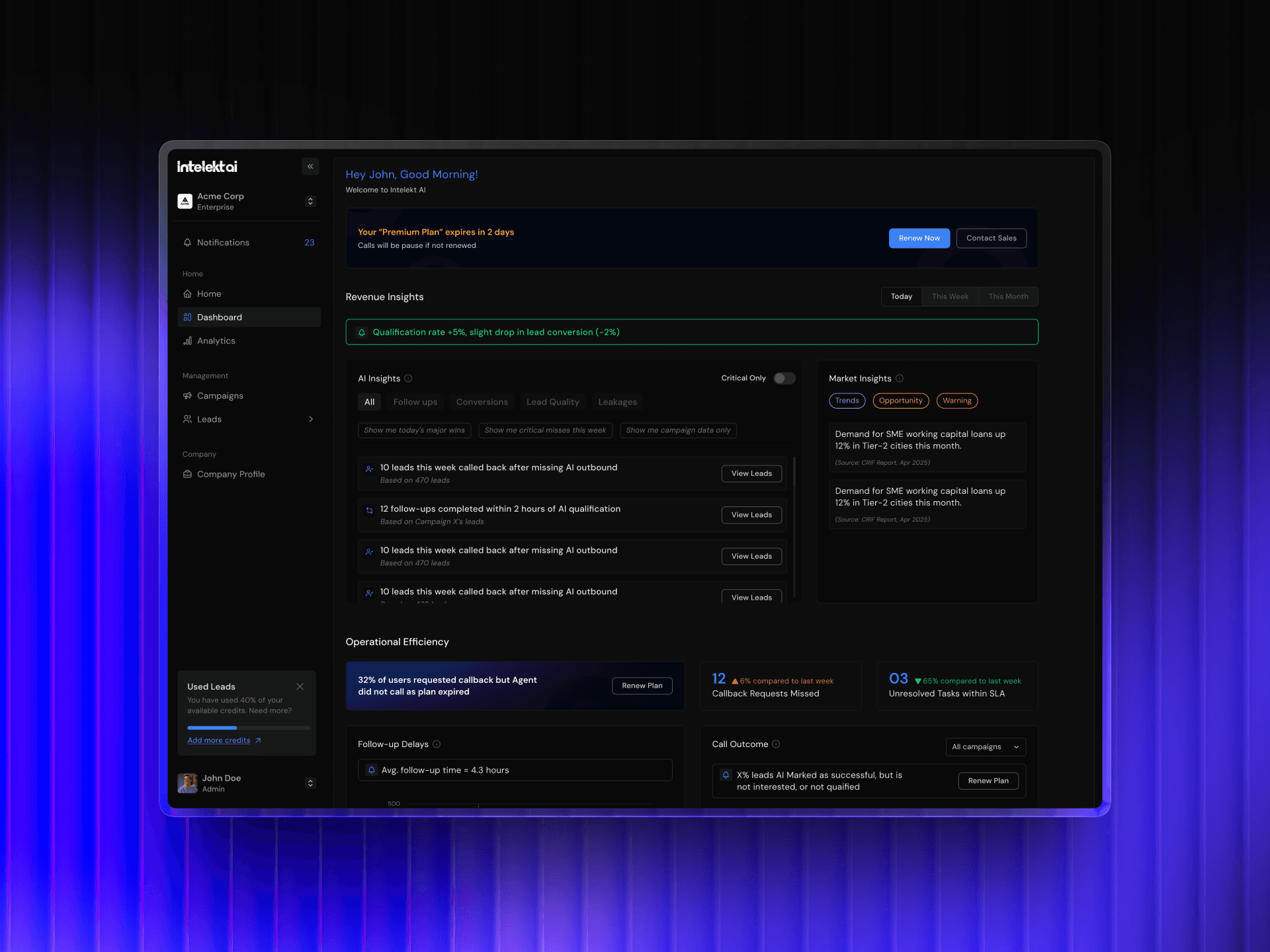
Connect with us. Let's have a chat together, leveraging Intelekt AI to navigate toward better outcomes for your business and enhanced experiences for your consumers. Together, we'll sail confidently into a future where debt recovery isn't just a process, but a strategic journey toward sustainable success.
Related Posts